10 Therapeutic Storytelling Techniques: How to Use Children's Books to Help Kids Process Big Emotions
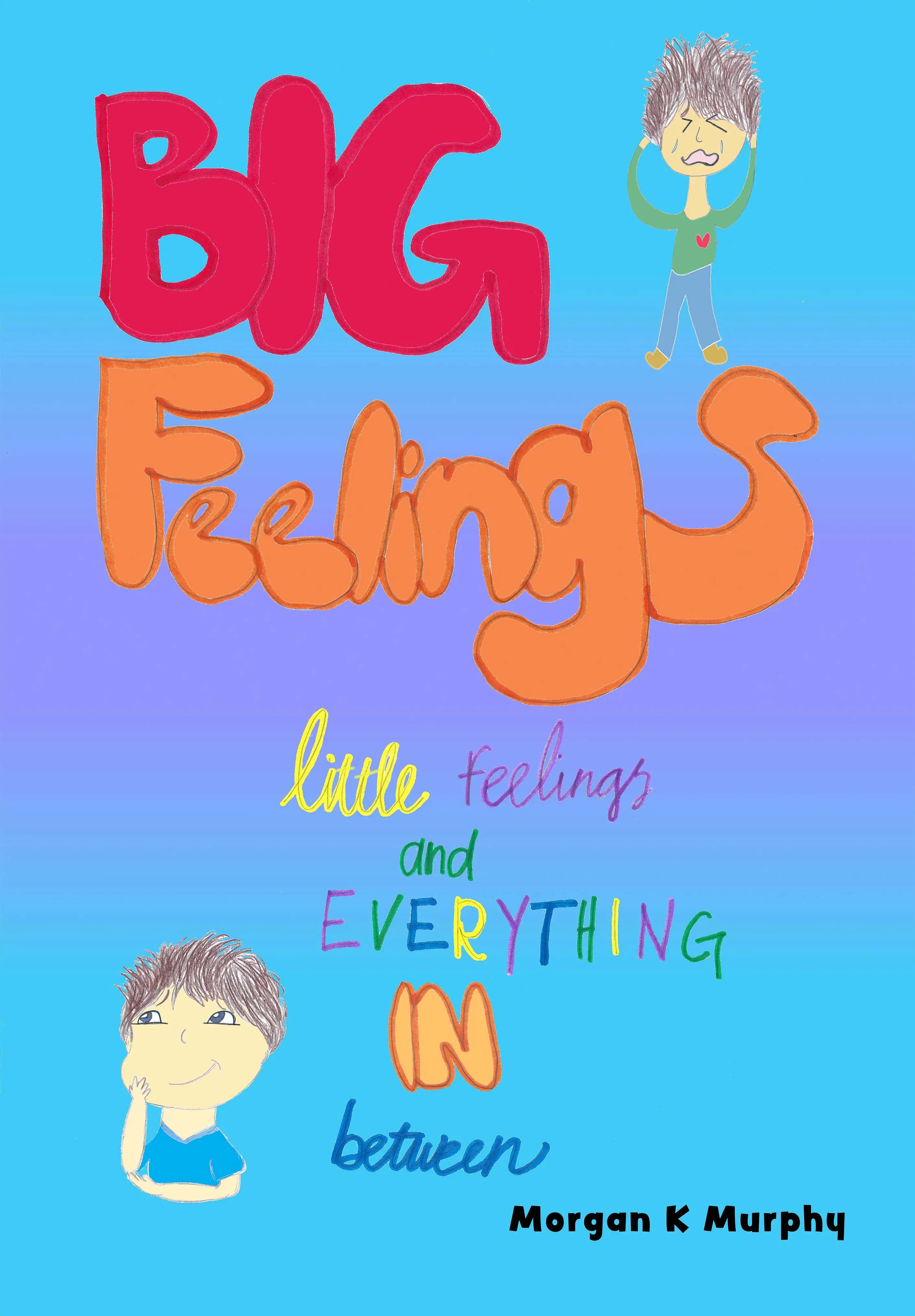
By: Morgan Murphy, LPC
As both a licensed therapist and former teacher, I've witnessed firsthand the transformative power of stories in helping children navigate their emotional worlds. Through my years of working with families and in schools, I've discovered that books can be incredible tools for helping kids process everything from everyday anxieties to major life changes. Today, I'm excited to share some proven techniques that can help you use storytelling as a therapeutic tool with the children in your life.
Why Stories Matter for Emotional Development
Before diving into specific techniques, it's important to understand why storytelling is such a powerful therapeutic tool. Stories provide children with a safe distance to explore difficult emotions and situations. When children see characters facing similar challenges to their own, they feel less alone and can process their feelings through the lens of the story.
1. The Mirror Technique
How It Works
Choose books that mirror the child's current emotional experience or situation. Whether it's starting school, dealing with a new sibling, or managing anger, seeing characters navigate similar situations helps normalize their feelings.
Implementation Tips
- Before reading, briefly acknowledge the parallel between the story and the child's experience.
- Use phrases like "Sometimes I wonder if you feel like [character] does..."
- Allow the child to make connections independently.
2. Pause and Reflect
One of my favorite techniques from my therapy practice is strategic pausing. During key emotional moments in the story, pause and create space for discussion.
Key Questions to Ask
- "How do you think [character] is feeling right now?"
- "What would you do if you were in their shoes?"
- "Have you ever felt like that?"
3. Emotional Vocabulary Building
As an educator and now creator of therapeutic children's books, I've seen how crucial it is to help children build their emotional vocabulary. Even simple books, like alphabet books, can be used to introduce feeling words and emotional concepts.
Practical Applications
- Point out facial expressions in illustrations.
- Introduce new feeling words beyond happy, sad, and mad.
- Create an emotions word wall using words from favorite stories.
4. The Safe Space Strategy
Setting the Scene
Create a comfortable reading environment where children feel safe expressing their emotions. This might be a cozy corner with pillows or a special reading chair.
Implementation
- Establish regular reading times.
- Allow the child to choose the books sometimes.
- Create predictable routines around storytime.
5. Interactive Storytelling
Encourage children to actively participate in the story process. Through my work developing therapeutic resources at Bright Happy Books, I've seen how engagement deepens emotional understanding.
Engagement Ideas
- Ask children to make predictions.
- Invite them to change the ending.
- Use puppet play to act out scenes.
6. The Body-Mind Connection
Physical Awareness
Help children notice how emotions feel in their bodies by connecting with characters' physical experiences.
Implementation
- Point out when characters have "butterflies in their tummy" or "heavy shoulders."
- Practice taking deep breaths when characters feel nervous.
- Mirror characters' body language.
7. Creating Emotional Distance
Sometimes children need space from their immediate emotions to process them effectively.
Techniques
- Use animal characters to discuss difficult emotions.
- Create parallel scenarios that are similar but not identical.
- Allow children to be the "expert" helping the character.
8. The Bridge Technique
Building Connections
Help children bridge the gap between story situations and their own lives gradually and naturally.
Implementation Steps
- Start with the story's emotions.
- Move to similar situations.
- Finally, connect to personal experiences.
9. Repetition and Routine
The Power of Familiar Stories
Don't underestimate the value of reading the same books repeatedly. Children often request the same story when they're working through particular emotions or situations.
Benefits
- Builds emotional security.
- Allows for deeper understanding.
- Provides predictability.
10. Extended Activities
Beyond the Book
Extend the emotional learning through related activities.
Activity Ideas
- Draw pictures of how the character felt.
- Write letters to characters.
- Create new stories with similar themes.
Making It Work in Real Life
Through my time as a school-based therapist, I've learned that the key to successful therapeutic storytelling is flexibility and authenticity. Every child processes emotions differently, and what works for one may not work for another.
Tips for Success
- Follow the child's lead.
- Be patient with the process.
- Create a judgment-free environment.
- Allow for different interpretations.
Conclusion
Stories have the remarkable ability to help children process their big emotions in safe and meaningful ways. As a therapist, educator, and now author at Bright Happy Books, I'm passionate about creating and sharing resources that support children's emotional development.
At Bright Happy Books, we're committed to developing therapeutic children's books that make emotional learning accessible and engaging. Starting with our ABC book and expanding to address various emotional themes, our mission is to provide families and educators with tools to support children's emotional growth through the power of storytelling.
Remember, every time you open a book with a child, you're opening a door to emotional understanding and growth. The techniques shared here are just the beginning – trust your instincts and adapt these strategies to meet your child's unique needs.
.blog-post { max-width: 800px; margin: 0 auto; padding: 20px; font-family: 'Roboto', sans-serif; line-height: 1.6; color: #333; } .blog-post h2, .blog-post h3 { color: #007bff; } .blog-post a { color: #007bff; text-decoration: none; } .blog-post a:hover { text-decoration: underline; } /* Responsive Design */ @media (max-width: 768px) { .blog-post { padding: 10px; } }