Moving Into Mindfulness: The Importance of Movement and Engagement for Emotional Well-being in Kids
As a licensed professional counselor and former teacher, I've witnessed firsthand how movement and mindfulness can transform children's emotional landscapes. During this holiday season, when routines often get disrupted and indoor time increases, I'm reminded of a special moment with my daughter Mackenzie that crystallized this connection for me.
The "Wiggly Body" Revelation
Just yesterday, Mackenzie came to me saying, "Mommy, my body feels wiggly." This simple observation from my young daughter perfectly encapsulates what many children experience but struggle to express. As someone who has personally navigated the challenges of depression, I've learned that these "wiggly" moments aren't just restlessness – they're our bodies signaling a need for movement and engagement.
Understanding the Mind-Body Connection
Through my years working as a school-based and family therapist, I've observed that children's emotional well-being is intrinsically linked to their physical activity levels. When we're sedentary for too long, especially during holiday breaks or winter months, our emotions can begin to run wild. This connection isn't coincidental; it's backed by research showing that movement:
- Releases endorphins that naturally boost mood
- Helps regulate sensory processing
- Improves focus and attention
- Reduces anxiety and stress
- Enhances emotional regulation skills
Practical Movement Strategies for Emotional Regulation
Working with families, I often recommend simple movement activities that can be incorporated throughout the day. These activities become especially crucial during holiday periods when regular routines are disrupted. Here are some effective approaches:
- Dance breaks between activities
- Yoga-inspired stretching exercises
- Indoor obstacle courses
- Movement-based learning games
- Mindful walking exercises
The Ripple Effect of Movement
What's particularly beautiful about movement-based emotional regulation is its contagious nature. When Mackenzie tells me she needs to move, it often becomes a shared activity. These moments have become precious opportunities for connection, and I find my own mood lifting as we dance, stretch, or play together. As both a mother and a mental health professional, these experiences have deepened my understanding of how movement can be a powerful tool for emotional well-being across generations.
Making Movement Meaningful
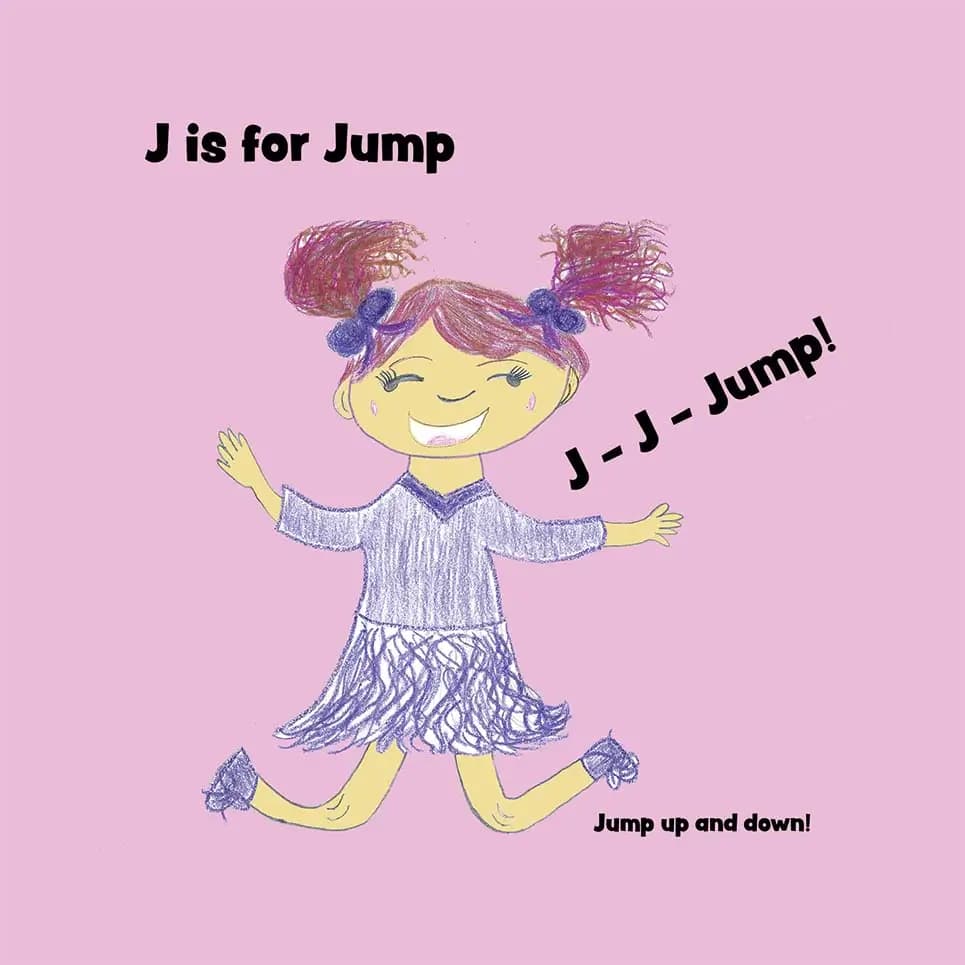
In my practice, I often emphasize the importance of making movement meaningful and age-appropriate. This understanding led me to collaborate with Bright Happy Books, where we've developed resources that combine physical activity with emotional learning. Our ABC book, for instance, incorporates movement-based activities with letter recognition, making learning both active and engaging.
The Holiday Challenge
During the holiday season, when schedules become irregular and outdoor activities might be limited, maintaining movement becomes even more crucial. I've noticed in both my professional practice and personal life that children's emotional regulation tends to suffer when regular physical activity decreases. This is when we need to be especially creative in finding ways to keep our children – and ourselves – moving.
Creating a Movement-Friendly Environment
Some practical tips I share with parents include:
- Designating a "movement corner" in the house
- Scheduling regular movement breaks throughout the day
- Using movement as a transition activity between tasks
- Incorporating physical activity into learning and play
- Making movement a family activity
The Future of Movement and Mindfulness
As we continue to understand more about the connection between physical movement and emotional well-being, it's exciting to see how this knowledge can be incorporated into children's daily lives. At Bright Happy Books, we're committed to creating resources that support this understanding, helping children and families develop healthy, movement-based approaches to emotional regulation.
From a young age, I have always been passionate about movement and dance, which inspired me to become a licensed Zumba instructor—a role I continue to cherish today. I then took this experience and seamlessly integrated it into the classroom environment. Most recently, I have incorporated these dynamic skills into my practice as a child therapist, where they truly shine and make a meaningful impact.
A Personal Note
Working with children and families over the years has taught me that the simplest solutions are often the most effective. When Mackenzie tells me her body is "wiggly," it's a reminder that our children often innately know what they need – we just have to listen and respond. These moments have not only helped me be a better therapist and mother but have also contributed to my own emotional well-being journey.
As we continue our mission at Bright Happy Books to create educational and therapeutic resources for children, we remain committed to incorporating these fundamental principles of movement and mindfulness. Our growing collection of books, starting with our ABC book, aims to support families in their journey toward emotional well-being through engaging, movement-based learning experiences.
Remember, movement isn't just about physical health – it's a gateway to emotional regulation, learning, and connection. When we move together, we grow together.