Children's Mental Health Awareness Day: Understanding the Importance of Early Intervention
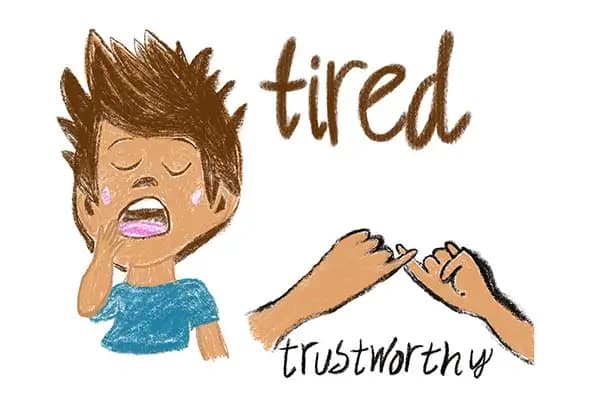
What is Children's Mental Health?
Children's mental health encompasses a complex interplay of emotional, psychological, and social well-being that fundamentally shapes how young individuals think, feel, and act. According to the World Health Organization, optimal mental health enables children to realize their abilities, cope with normal life stresses, and participate productively in their communities.
Common mental health conditions affecting children include:
- Anxiety disorders, affecting approximately 7% of children aged 3-17
- Depression, which impacts roughly 3.2% of children aged 3-17
- Attention-Deficit/Hyperactivity Disorder (ADHD), present in about 9.4% of children
- Autism Spectrum Disorder (ASD), affecting approximately 1 in 54 children
Early Intervention in Mental Health
Early intervention involves identifying and addressing mental health concerns during the crucial developmental stages of childhood. This approach focuses on prevention and prompt treatment, typically incorporating multiple strategies:
- Regular mental health screenings in schools and pediatric settings
- Evidence-based therapeutic interventions
- Family support and education programs
- Collaboration between healthcare providers, educators, and families
The Importance of Early Intervention
Research consistently demonstrates that early intervention yields significant positive outcomes. Studies published in the Journal of Child Psychology and Psychiatry indicate that children who receive early intervention show improved:
- Academic performance and school attendance
- Social relationships and communication skills
- Self-regulation and emotional management
- Long-term mental health outcomes
Signs and Symptoms to Watch For
Recognizing early warning signs is crucial for timely intervention. Parents, educators, and caregivers should monitor for:
- Persistent sadness or withdrawal lasting more than two weeks
- Severe mood swings affecting daily functioning
- Sudden changes in sleep patterns or appetite
- Difficulty concentrating or declining academic performance
- Expression of self-harm thoughts or behaviors
Challenges in Early Intervention
Despite its proven benefits, early intervention faces several obstacles:
- Stigma surrounding mental health discussions
- Limited access to mental health professionals
- Financial barriers to treatment
- Cultural and linguistic barriers
- Gaps in mental health education and awareness
Success Stories and Case Studies
Recent success stories demonstrate the transformative power of early intervention. For instance, the 2025 Australian of the Year nominees include mental health advocates who have implemented successful early intervention programs in schools, resulting in:
- 50% reduction in reported anxiety symptoms among primary school students
- Improved academic performance in 75% of participating children
- Enhanced teacher-student relationships and classroom dynamics
- Increased parent engagement in children's mental health support
Global Perspectives on Early Intervention
Mental health approaches vary significantly across cultures and regions. Recent reports from organizations like UNRWA highlight the critical need for mental health support in conflict-affected areas:
- Implementation of school-based counseling programs
- Training of community mental health workers
- Development of culturally sensitive intervention strategies
- Integration of mental health services with primary healthcare
Innovative Approaches
Modern early intervention strategies incorporate technological solutions and evidence-based practices:
- Digital mental health screening tools
- Teletherapy services for improved accessibility
- Mobile applications for mental health monitoring
- Online support groups and resources for families
Future Directions
Emerging trends in children's mental health intervention include:
- Integration of artificial intelligence for early detection
- Development of personalized intervention strategies
- Enhanced collaboration between healthcare systems
- Expanded research into preventive approaches
Role of Communities
Successful early intervention requires community-wide engagement:
- School-based mental health programs
- Parent education and support groups
- Community awareness campaigns
- Partnerships with local healthcare providers
Policy Implications
Effective early intervention systems require supportive policies:
- Increased funding for mental health services
- Improved insurance coverage for mental health treatment
- Enhanced training for healthcare providers
- Development of standardized screening protocols
Impact of Early Intervention on Educational Outcomes
Research demonstrates significant correlations between early mental health intervention and academic success. Studies tracking students who received early intervention services show:
- Higher graduation rates compared to peers without intervention
- Improved classroom participation and engagement
- Better social integration within school communities
- Reduced instances of behavioral issues
The Role of Technology in Early Intervention
Modern technological advances have revolutionized mental health intervention strategies. Digital platforms now offer:
- Real-time mood tracking applications
- Virtual reality therapy sessions
- Online cognitive behavioral therapy programs
- Digital support networks for families
Emerging Digital Solutions
Innovative digital tools are transforming how we approach children's mental health:
- AI-powered early warning systems
- Gamified therapeutic interventions
- Remote monitoring capabilities
- Interactive educational resources
Family-Centered Approaches
Successful early intervention programs increasingly recognize the crucial role of family involvement. Key components include:
- Parent training and education programs
- Family therapy sessions
- Home-based intervention strategies
- Regular parent-provider communication channels
Cultural Considerations in Early Intervention
Effective mental health interventions must account for cultural diversity. Important aspects include:
- Culturally adapted therapeutic approaches
- Multilingual service provision
- Recognition of traditional healing practices
- Community-specific outreach programs
Building Cultural Competency
Healthcare providers must develop cultural competency through:
- Ongoing cultural sensitivity training
- Partnership with cultural community leaders
- Development of culturally appropriate resources
- Regular community feedback and adaptation
Economic Benefits of Early Intervention
Studies demonstrate significant cost savings associated with early mental health intervention:
- Reduced long-term healthcare costs
- Lower special education expenses
- Decreased juvenile justice system involvement
- Improved workforce participation outcomes
Training and Professional Development
Ensuring effective early intervention requires comprehensive professional training:
- Regular updates on evidence-based practices
- Cross-disciplinary collaboration skills
- Crisis intervention training
- Specialized pediatric mental health certification
Building Professional Networks
Strong professional networks enhance intervention effectiveness through:
- Regular case conferences
- Shared resources and expertise
- Coordinated care approaches
- Mentorship programs
Research and Development
Ongoing research continues to enhance our understanding of early intervention effectiveness:
- Longitudinal studies tracking intervention outcomes
- Development of new therapeutic approaches
- Investigation of preventive strategies
- Analysis of intervention timing impact
Future Research Directions
Emerging research areas include:
- Neurobiological markers for early detection
- Impact of environmental factors
- Role of genetic predisposition
- Effectiveness of integrated care models
Advocacy and Public Awareness
Building public awareness around children's mental health requires coordinated efforts across multiple channels:
- Social media campaigns highlighting success stories
- School-based mental health education programs
- Community outreach events and workshops
- Partnership with influential public figures and organizations
Legislative Framework and Policy Support
Recent policy developments have strengthened support for early intervention programs. Key legislative measures include:
- Mandatory mental health screening in schools
- Increased funding for community mental health centers
- Enhanced insurance coverage requirements
- Protection of patient rights and privacy
Policy Implementation Challenges
Successfully implementing mental health policies requires addressing:
- Resource allocation constraints
- Administrative barriers
- Coordination between different agencies
- Monitoring and evaluation mechanisms
Integration with Primary Healthcare
Effective mental health intervention increasingly relies on integration with primary healthcare services:
- Co-located mental health services
- Collaborative care models
- Shared electronic health records
- Coordinated treatment planning
Role of Educational Institutions
Schools play a crucial role in early intervention through:
- Regular mental health screenings
- Teacher training in mental health awareness
- Implementation of social-emotional learning programs
- Creation of supportive learning environments
School-Based Mental Health Programs
Successful school-based initiatives often include:
- On-site counseling services
- Peer support programs
- Anti-bullying initiatives
- Parent education workshops
Crisis Response and Management
Comprehensive early intervention systems must include robust crisis response capabilities:
- 24/7 crisis hotlines
- Mobile crisis response teams
- Emergency assessment protocols
- Transition support services
Measuring Success and Outcomes
Evaluating intervention effectiveness requires comprehensive assessment methods:
- Standardized outcome measures
- Quality of life indicators
- Academic performance tracking
- Long-term follow-up studies
Data Collection and Analysis
Robust data management systems support intervention improvement through:
- Real-time outcome tracking
- Pattern identification
- Resource allocation optimization
- Program effectiveness evaluation
International Collaboration
Global partnerships enhance intervention strategies through:
- Shared research findings
- Cross-cultural program adaptation
- Best practice exchange
- Resource pooling for complex challenges
Global Learning Networks
International collaboration facilitates:
- Virtual learning communities
- Cross-border research initiatives
- Multinational intervention studies
- Shared resource development
Sustainable Intervention Models
Creating lasting impact requires developing sustainable intervention frameworks that can adapt and grow over time:
- Self-sustaining funding mechanisms
- Scalable program designs
- Community ownership structures
- Long-term resource planning
Building Resilience
Early intervention programs increasingly focus on building psychological resilience in children through:
- Coping skills development
- Stress management techniques
- Problem-solving workshops
- Emotional regulation training
Preventive Strategies
Preventive approaches include:
- Universal screening programs
- Life skills education
- Positive parenting programs
- Community support networks
Innovation in Service Delivery
New service delivery models are emerging to improve accessibility and effectiveness:
- Hybrid in-person/virtual care options
- Mobile mental health units
- School-embedded services
- Community-based intervention hubs
Special Population Considerations
Targeted interventions are essential for specific populations:
- Rural and remote communities
- Indigenous populations
- Refugee and immigrant children
- Children with disabilities
Customized Approaches
Specialized intervention strategies include:
- Cultural adaptation of evidence-based practices
- Language-specific resources
- Community-led program development
- Trauma-informed care approaches
Workforce Development
Strengthening the mental health workforce requires:
- Specialized training programs
- Career development pathways
- Professional supervision structures
- Continuing education opportunities
Quality Assurance
Maintaining high-quality intervention services involves:
- Regular program evaluation
- Client feedback systems
- Performance monitoring
- Continuous improvement processes
Standards and Accreditation
Quality frameworks include:
- Professional practice standards
- Service delivery guidelines
- Outcome measurement protocols
- Accreditation requirements
Stakeholder Engagement
Successful interventions require active participation from:
- Parents and caregivers
- Educational professionals
- Healthcare providers
- Community leaders
Partnership Development
Key partnership strategies include:
- Regular stakeholder meetings
- Collaborative decision-making processes
- Shared resource allocation
- Joint program planning
Resource Allocation and Management
Effective resource management is crucial for sustainable early intervention programs:
- Strategic budget planning
- Evidence-based resource allocation
- Cost-effectiveness analysis
- Performance-based funding models
Documentation and Record Keeping
Maintaining comprehensive records supports program effectiveness through:
- Standardized documentation protocols
- Secure data management systems
- Progress tracking mechanisms
- Outcome measurement tools
Program Adaptation and Evolution
Successful intervention programs must continually evolve to meet changing needs:
- Regular program assessment
- Integration of new research findings
- Response to community feedback
- Adaptation to emerging challenges
Early intervention in children's mental health represents a critical investment in our future generations. The evidence overwhelmingly demonstrates that timely, appropriate intervention can significantly improve outcomes for children experiencing mental health challenges. At Bright Happy Books, we are committed to supporting this vital work through our educational resources and community engagement programs. Our mission aligns perfectly with the goals of early intervention: to empower children, families, and communities with the tools they need to build strong mental health foundations. Together, we can create a future where every child has access to the support they need to thrive mentally and emotionally.
As we continue to advance our understanding of children's mental health and develop more effective intervention strategies, it becomes increasingly clear that success requires a collaborative, community-wide approach. Through continued research, innovation, and dedication to evidence-based practices, we can work together to ensure that every child has the opportunity to reach their full potential. Bright Happy Books remains dedicated to being a key partner in this important journey, providing resources and support to families, educators, and mental health professionals working to make a difference in children's lives.
.blog-post { max-width: 800px; margin: 0 auto; padding: 20px; font-family: 'Roboto', sans-serif; line-height: 1.6; color: #333; } .blog-post h2, .blog-post h3 { color: #007bff; } .blog-post a { color: #007bff; text-decoration: none; } .blog-post a:hover { text-decoration: underline; } @media (max-width: 768px) { .blog-post { padding: 10px; } }