Is the ABC Phonics Book Effective? A Comprehensive Guide to Choosing the Right Phonics Tool for Your Child
Understanding the Basics of Phonics
Phonics represents a fundamental approach to teaching reading by establishing connections between sounds and their corresponding written symbols. This method has become increasingly significant in early childhood education, particularly as research continues to demonstrate its effectiveness in developing strong reading foundations.
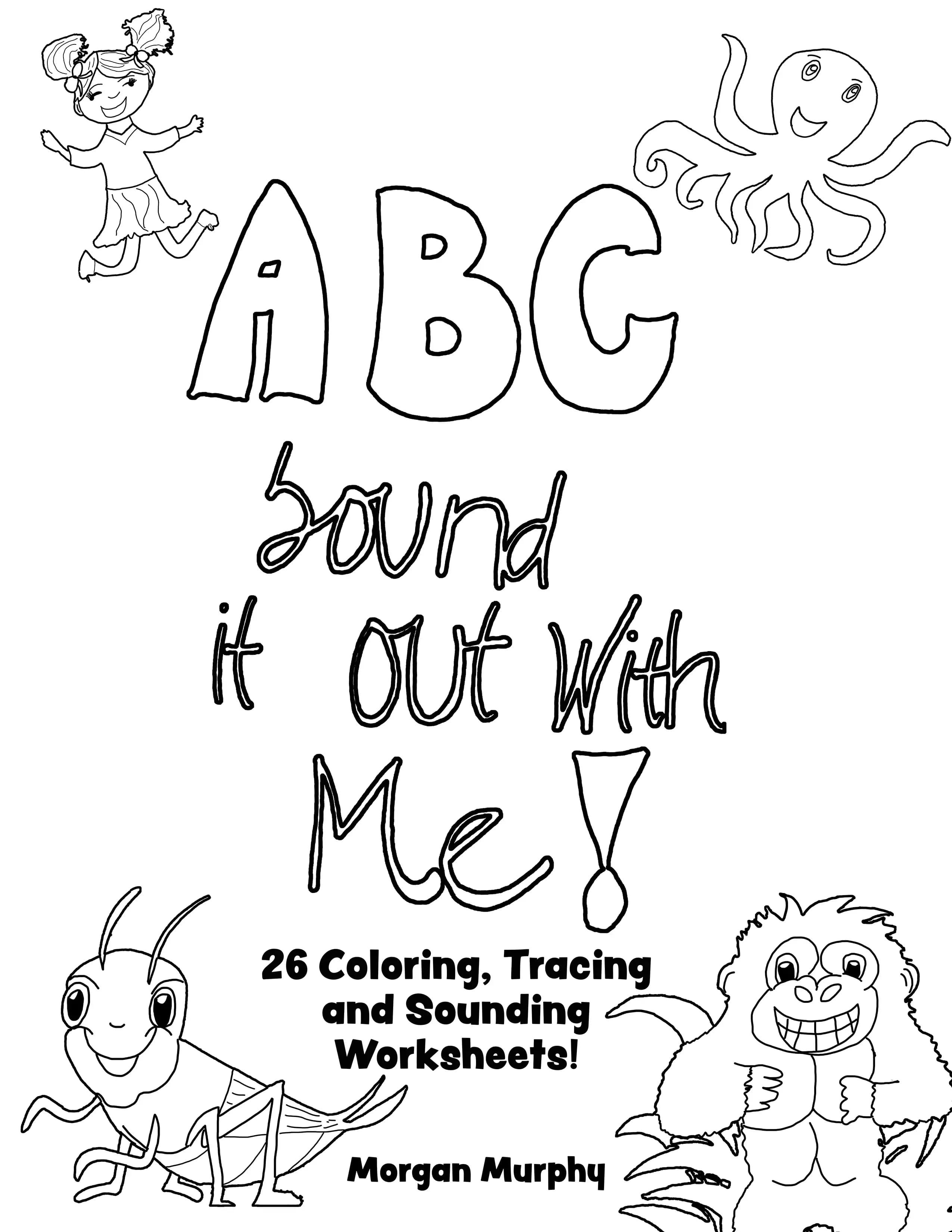
The ABC Phonics Book emerged as a popular tool among educators and parents, designed to systematically introduce children to letter-sound relationships. These resources aim to bridge the gap between letter recognition and reading comprehension, making them essential components of early literacy development.
The Science Behind Phonics Instruction
When examining the effectiveness of phonics instruction, it's crucial to understand how it differs from other teaching methodologies. The whole language approach, for instance, emphasizes meaning and context over systematic sound-symbol relationships. However, research consistently shows that structured phonics instruction provides children with more reliable tools for decoding unfamiliar words.
Core Components of Effective Phonics Teaching
The five pillars of reading instruction form the backbone of successful literacy development:
- Phonemic Awareness: The ability to hear and manipulate individual sounds in spoken words
- Phonics: Understanding the relationship between written letters and spoken sounds
- Vocabulary: Knowledge of word meanings and usage
- Comprehension: Understanding what is read
- Fluency: The ability to read accurately and smoothly
Evaluating ABC Phonics Books
ABC Phonics Books offer several distinct advantages in early reading instruction. Their systematic approach allows children to progress from simple letter recognition to complex word formation in a structured manner. The books typically incorporate colorful illustrations and engaging activities that maintain children's interest while reinforcing learning objectives.
Strengths of ABC Phonics Books
The most effective ABC Phonics Books excel in providing clear, consistent instruction that builds confidence in young readers. They often include multisensory elements that cater to different learning styles, incorporating visual, auditory, and kinesthetic activities to reinforce learning.
Potential Limitations
Despite their benefits, ABC Phonics Books may not provide a complete solution for all learners. Some children, particularly those with specific learning differences, may require additional support or alternative approaches. Additionally, an exclusive focus on phonics without adequate attention to comprehension and vocabulary development may create gaps in overall literacy skills.
Selecting the Right Phonics Tool
Parents and educators must consider several key factors when choosing phonics resources. The most effective tools align with a child's current abilities while providing appropriate challenges for growth. A well-chosen phonics program should:
- Match the child's developmental stage
- Provide clear progression paths
- Include regular assessment opportunities
- Offer engaging, age-appropriate content
- Support different learning styles
Research-Based Evidence
According to studies published in the Journal of Reading Research, systematic phonics instruction significantly improves reading outcomes for most children. Research indicates that early intervention with structured phonics programs can prevent many reading difficulties later in academic life.
Expert Perspectives
Leading literacy experts emphasize the importance of combining phonics instruction with authentic reading experiences. They suggest that effective phonics programs should integrate seamlessly with other literacy activities, including shared reading, storytelling, and writing exercises.
Practical Implementation Strategies
Success with ABC Phonics Books often depends on consistent, well-planned implementation. Effective strategies include:
- Regular, short practice sessions rather than lengthy, infrequent ones
- Integration of phonics activities with real reading experiences
- Continuous monitoring of progress and adjustment of instruction
- Celebration of small achievements to maintain motivation
Addressing Common Challenges
Many parents and educators encounter specific challenges when using phonics programs. Understanding these challenges and having strategies to address them can significantly improve outcomes. Common issues include maintaining student engagement, addressing individual learning differences, and ensuring consistent practice.
Solutions and Adaptations
Successful implementation often requires adaptability and creativity. Some effective approaches include:
- Incorporating movement and games into phonics lessons
- Using technology to supplement traditional instruction
- Creating personalized practice materials
- Establishing regular communication between home and school
Beyond Basic Phonics
While phonics instruction forms a crucial foundation for reading success, it should be part of a broader literacy approach. Advanced reading skills require integration of multiple strategies and consistent exposure to diverse reading materials. Successful readers develop the ability to:
- Apply phonics knowledge automatically
- Recognize common word patterns
- Use context clues effectively
- Monitor their own comprehension
- Adjust reading strategies as needed
The Role of Technology
Modern phonics instruction often incorporates digital tools and applications. These resources can provide additional practice opportunities and immediate feedback. However, technology should complement, not replace, traditional instruction methods. Digital resources are most effective when they:
- Align with established phonics sequences
- Provide appropriate feedback and reinforcement
- Allow for progress monitoring
- Support differentiated instruction
Cultural and Linguistic Considerations
The effectiveness of ABC Phonics Books can vary significantly across different linguistic backgrounds. English language learners may require additional support in distinguishing sounds that don't exist in their native language. Understanding these cultural and linguistic nuances helps in:
- Adapting instruction methods to match linguistic backgrounds
- Providing appropriate support for multilingual learners
- Creating inclusive learning environments
- Building confidence in diverse student populations
Assessment and Progress Monitoring
Regular assessment plays a crucial role in determining the effectiveness of phonics instruction. Successful monitoring strategies include both formal and informal assessments that track progress in:
Key Assessment Areas
- Letter-sound recognition
- Blending and segmenting abilities
- Sight word recognition
- Reading fluency
- Comprehension skills
Parent-Teacher Collaboration
The most successful phonics instruction often occurs when parents and teachers work together. This partnership ensures consistency in approach and reinforcement of learning. Effective collaboration includes:
- Regular communication about progress
- Shared understanding of teaching methods
- Coordinated home practice activities
- Joint problem-solving for challenges
Advanced Phonics Strategies
As children progress beyond basic phonics, more sophisticated strategies become necessary. Advanced phonics instruction should focus on:
Complex Phonetic Patterns
Understanding more complex phonetic patterns helps readers tackle increasingly challenging texts. Key areas include:
- Multi-syllabic word decoding
- Vowel team patterns
- Silent letter combinations
- Prefixes and suffixes
Integrating Writing with Phonics
Writing activities reinforce phonics learning by encouraging children to apply their knowledge in meaningful ways. Effective integration strategies include:
- Journal writing with phonetically regular words
- Interactive writing exercises
- Creative spelling activities
- Story composition using learned patterns
The Role of Motivation
Maintaining student motivation is crucial for successful phonics instruction. Research shows that engaged learners make more rapid progress in developing reading skills. Effective motivation strategies include:
Engagement Techniques
- Setting achievable goals
- Celebrating progress regularly
- Using interests to guide material selection
- Creating opportunities for success
Supporting Struggling Readers
Some children may require additional support to benefit fully from phonics instruction. Identifying and addressing difficulties early can prevent long-term reading challenges. Key support strategies include:
Intervention Approaches
- One-on-one instruction time
- Modified pacing of instruction
- Alternative teaching methods
- Specialized materials and resources
Future Trends in Phonics Instruction
The field of phonics instruction continues to evolve with new research and technological advances. Emerging trends include:
- Artificial intelligence-powered adaptive learning
- Virtual reality applications for phonics instruction
- Gamification of learning experiences
- Personalized learning pathways
Research and Evidence Base
Recent studies continue to support the effectiveness of systematic phonics instruction. The National Reading Panel findings remain influential in shaping best practices. Key research insights include:
- Early intervention effectiveness
- Long-term impact on reading achievement
- Benefits for diverse learner populations
- Importance of systematic instruction
Professional Development and Teacher Training
The success of phonics instruction heavily depends on teacher expertise and ongoing professional development. Effective training programs focus on:
- Understanding the science of reading
- Implementing research-based teaching strategies
- Differentiating instruction for diverse learners
- Using assessment data to guide instruction
Home-Based Learning Support
Parents play a crucial role in reinforcing phonics learning at home. Successful home support strategies include:
Daily Practice Activities
Creating a consistent routine for phonics practice helps reinforce classroom learning. Effective home activities include:
- Environmental print awareness exercises
- Word family games and activities
- Letter-sound scavenger hunts
- Shared reading with phonics focus
Multi-Sensory Learning Approaches
Incorporating multiple senses in phonics instruction enhances learning outcomes for most students. Key approaches include:
Sensory Integration Strategies
- Tactile letter formation activities
- Movement-based sound learning
- Visual memory techniques
- Auditory discrimination exercises
Digital Integration and Online Resources
Modern phonics instruction increasingly incorporates digital tools to enhance learning. Effective digital integration includes:
Technology-Enhanced Learning
- Interactive phonics apps and games
- Online assessment tools
- Virtual learning platforms
- Digital progress tracking systems
Special Education Considerations
Adapting phonics instruction for students with special needs requires careful consideration and specialized approaches. Key considerations include:
Individualized Support Strategies
- Modified pacing and presentation
- Assistive technology integration
- Alternative assessment methods
- Specialized instructional materials
Building Reading Fluency
Transitioning from basic phonics to reading fluency requires structured support and practice. Essential components include:
Fluency Development Techniques
- Repeated reading exercises
- Timed reading activities
- Partner reading practice
- Guided oral reading sessions
Community and School Partnerships
Successful phonics programs often benefit from strong community support and partnerships. Effective collaboration includes:
Partnership Initiatives
- Library reading programs
- Community literacy events
- Business-sponsored reading initiatives
- Inter-school collaboration projects
Program Evaluation and Quality Assurance
Regular evaluation of phonics programs ensures continued effectiveness and allows for necessary adjustments. Key evaluation components include:
Assessment Metrics
- Student progress monitoring
- Program implementation fidelity
- Teacher effectiveness measures
- Parent satisfaction surveys
Research-Based Modifications
Recent research from the Reading Rockets initiative suggests several modifications to traditional phonics instruction that can enhance effectiveness:
- Integration of metacognitive strategies
- Enhanced focus on morphological awareness
- Systematic vocabulary development
- Structured comprehension instruction
Best Practices for Implementation
Successful implementation of ABC Phonics Books requires careful attention to several key factors:
Implementation Guidelines
- Consistent daily instruction periods
- Clear learning objectives for each session
- Regular progress monitoring and adjustment
- Integration with other literacy activities
Creating Supportive Learning Environments
The physical and emotional environment plays a crucial role in phonics learning success. Essential elements include:
Environmental Considerations
- Print-rich classroom displays
- Organized learning centers
- Accessible reading materials
- Comfortable reading spaces
Conclusion
The effectiveness of ABC Phonics Books in developing early literacy skills is well-documented through research and practical experience. When implemented systematically and combined with other literacy approaches, these tools provide a strong foundation for reading success. The key lies in selecting appropriate materials, maintaining consistent practice, and adapting instruction to meet individual learner needs.
At Bright Happy Books, we understand the importance of providing high-quality phonics resources that support both educators and learners. Our mission is to make reading accessible and enjoyable for all children through carefully crafted materials that incorporate the best practices discussed in this article. We continue to develop and refine our resources based on the latest research and feedback from our educational community.
References
- International Literacy Association
- National Reading Panel Research
- Reading Rockets
- Wikipedia: Reading
- Wikipedia: Emergent Literacies
- Phonics International Research Database
- Education Corner: Phonics Resources
.blog-post { max-width: 800px; margin: 0 auto; padding: 20px; font-family: 'Roboto', sans-serif; line-height: 1.6; color: #333; } .blog-post h2, .blog-post h3 { color: #007bff; } .blog-post a { color: #007bff; text-decoration: none; } .blog-post a:hover { text-decoration: underline; } @media (max-width: 768px) { .blog-post { padding: 10px; } }