Spotting the Signs: Emotional Abuse in Children and How to Help
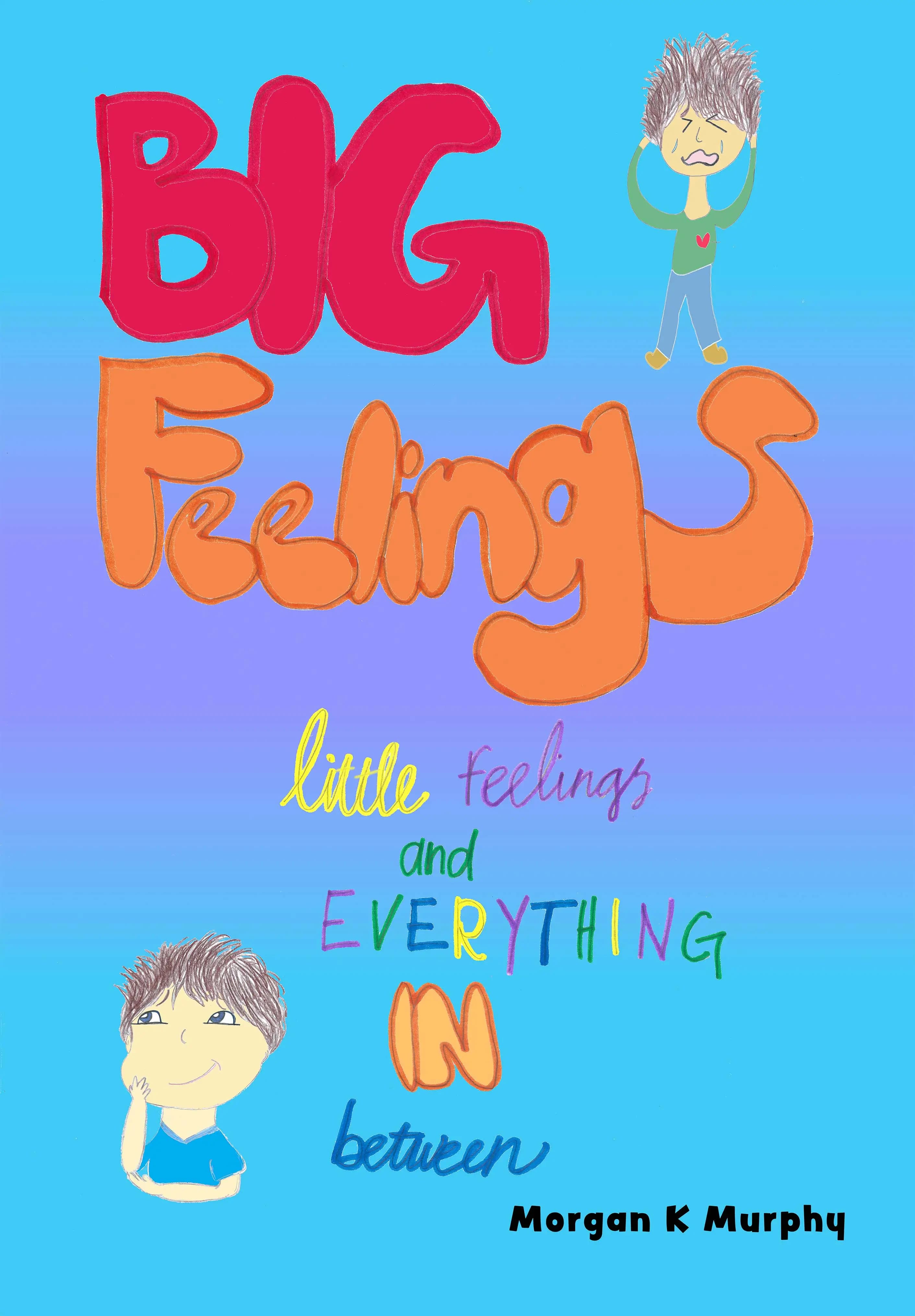
Understanding Emotional Abuse in Children
Emotional abuse remains one of the most challenging forms of child maltreatment to identify and address. While physical abuse leaves visible marks, emotional abuse creates invisible scars that can persist throughout a person's lifetime. As our society becomes more aware of mental health impacts on children, understanding and identifying emotional abuse has never been more crucial.
What is Emotional Abuse?
Emotional abuse encompasses systematic patterns of behavior that impair a child's emotional development or sense of self-worth. This form of abuse extends beyond occasional negative statements or bad parenting moments. It represents a consistent pattern of harmful interactions that communicate to children that they are worthless, unloved, or only valuable in meeting someone else's needs.
Common Forms of Emotional Abuse
- Constant criticism and belittling
- Withholding affection or emotional support
- Making threats or creating fear
- Isolating children from friends or activities
- Age-inappropriate expectations
Recognizing the Signs
Children experiencing emotional abuse often display subtle behavioral changes that might be mistaken for typical childhood phases. Understanding these nuances can make the difference between early intervention and prolonged suffering. The signs manifest differently depending on the child's age, personality, and support system.
Behavioral Red Flags
Children who experience emotional abuse might suddenly withdraw from activities they once enjoyed or show extreme behavior shifts. A previously outgoing child becoming unusually quiet or a typically calm child displaying sudden aggression could indicate underlying emotional abuse. These changes often reflect the child's attempt to cope with their situation or gain some control over their environment.
Emotional Manifestations
The emotional impact of abuse often manifests through various psychological indicators. Children might develop an unusual fear of making mistakes, show signs of low self-esteem, or express feelings of worthlessness. What sets these apart from normal childhood insecurities is their persistence and severity.
Impact on Child Development
Emotional abuse can significantly alter a child's developmental trajectory. Research from recent studies indicates that children who experience emotional abuse often struggle with cognitive development, emotional regulation, and social skills.
Short-Term Effects
The immediate impact of emotional abuse can disrupt a child's daily functioning. Academic performance often suffers as concentration becomes difficult. Sleep disturbances may emerge, leading to fatigue and increased irritability. These effects create a cycle where the child's behavior might trigger more negative responses from abusers.
Long-Term Consequences
The long-term effects of emotional abuse can reshape a person's entire life trajectory. Children may develop chronic mental health conditions, struggle with relationships, or adopt maladaptive coping mechanisms. Understanding these potential outcomes emphasizes the importance of early intervention.
Supporting Affected Children
Helping children who experience emotional abuse requires a multi-faceted approach. The support strategy must address immediate safety concerns while building long-term resilience.
Creating Safe Spaces
Children need environments where they feel secure expressing their feelings without fear of judgment or retaliation. Schools, community centers, and therapeutic settings can provide these safe spaces. These environments should emphasize consistency, respect, and positive reinforcement.
Professional Intervention
Professional help plays a crucial role in healing from emotional abuse. Therapists can provide specialized interventions tailored to each child's needs. Various therapeutic approaches, including play therapy and cognitive behavioral therapy, help children process their experiences and develop healthy coping mechanisms.
Prevention Strategies
Preventing emotional abuse requires community-wide effort and awareness. Education serves as the foundation for prevention, helping people recognize harmful patterns before they escalate.
Building Resilient Communities
Communities play a vital role in preventing and addressing emotional abuse. Strong support networks, accessible resources, and educated professionals create protective factors that reduce abuse risk. Local organizations, schools, and healthcare providers must work together to create comprehensive support systems.
Educational Initiatives
Education about healthy relationships and emotional well-being should start early. Schools can implement programs teaching children about boundaries, respect, and healthy expression of emotions. Parent education programs can help break intergenerational cycles of abuse by providing tools for positive parenting.
Legal Framework and Protection
Understanding the legal aspects of emotional abuse provides crucial context for protection and intervention. Mandatory reporting laws require certain professionals to report suspected abuse, creating a safety net for vulnerable children.
Reporting Mechanisms
Clear reporting procedures help ensure that cases of emotional abuse receive proper attention. Organizations should establish straightforward protocols for reporting suspected abuse, protecting both the reporter and the affected child. Anonymous reporting options can encourage people to come forward without fear of retaliation.
Child Protection Services
Child Protection Services serves as a crucial link between identifying abuse and providing help. Understanding their role helps communities work effectively with these agencies to protect children. Their involvement often represents the first step toward breaking the cycle of abuse.
Building Effective Support Networks
Creating robust support networks extends beyond immediate family and professional help. These networks serve as crucial safety nets for children experiencing emotional abuse, providing multiple points of contact and intervention.
Role of Extended Family
Extended family members often notice signs of emotional abuse before others. Their unique position allows them to observe family dynamics and changes in children's behavior over time. Grandparents, aunts, uncles, and other relatives can provide alternative safe spaces and emotional support when immediate family environments become toxic.
Community Involvement
Community organizations play a vital role in supporting affected children. Religious institutions, sports clubs, and after-school programs can offer safe environments where children develop positive relationships outside their home situation. These settings provide opportunities for children to build self-esteem and experience healthy adult-child interactions.
Breaking the Cycle
Interrupting the generational transmission of emotional abuse requires conscious effort and understanding. Many abusive parents were themselves victims of emotional abuse, creating a complex cycle that demands targeted intervention strategies.
Identifying Triggers
Understanding personal triggers helps adults recognize when they might be at risk of perpetuating emotional abuse. Common triggers include stress, financial pressure, and unresolved childhood trauma. As noted in recent workplace studies, environmental stressors significantly impact family dynamics.
Developing Healthy Coping Mechanisms
Parents and caregivers need support in developing healthy ways to manage stress and emotional reactions. This includes learning effective communication techniques, stress management strategies, and appropriate disciplinary approaches that don't involve emotional manipulation or abuse.
Technology's Role in Prevention and Support
Modern technology offers new tools for preventing and addressing emotional abuse. Digital platforms provide resources, support networks, and monitoring capabilities that weren't previously available.
Online Resources and Support
- Virtual counseling sessions making professional help more accessible
- Educational websites providing information about emotional abuse
- Online support groups connecting survivors and families
- Mobile apps offering safety planning and resource directories
Cultural Considerations
Cultural context significantly influences how emotional abuse is perceived and addressed. Different cultures may have varying definitions of acceptable parenting practices, making it crucial to approach intervention with cultural sensitivity while maintaining clear boundaries around harmful behavior.
Cultural Competency in Support Services
Support services must develop cultural competency to effectively serve diverse populations. This includes understanding cultural norms around family dynamics, discipline, and help-seeking behavior. Services should be available in multiple languages and delivered by professionals who understand specific cultural contexts.
Recovery and Healing
The journey to recovery from emotional abuse requires patience, understanding, and consistent support. Children need to know that healing is possible and that their experiences are valid.
Building Self-Esteem
Rebuilding self-esteem forms a crucial part of recovery. Activities that promote self-expression, achievement, and positive self-image help children develop resilience and confidence. This might include art therapy, sports, academic achievements, or other activities where children can experience success and recognition.
Creating New Narratives
Children who have experienced emotional abuse often need help rewriting their internal narratives. Therapeutic approaches focus on helping them understand that the abuse wasn't their fault and that they deserve love and respect. This process involves challenging internalized negative messages and replacing them with healthy self-perceptions.
Future Implications
Understanding the long-term implications of emotional abuse helps drive preventive efforts and support services. Research continues to reveal connections between childhood emotional abuse and adult outcomes, emphasizing the importance of early intervention and comprehensive support systems.
Research and Development
Ongoing research into emotional abuse treatment and prevention strategies helps improve support services and intervention methods. New understanding of trauma's impact on brain development informs more effective therapeutic approaches and prevention strategies.
Policy Recommendations
Evidence-based policy changes can strengthen protection for vulnerable children. This includes improved funding for prevention programs, enhanced training requirements for childcare professionals, and stronger legal protections for abuse survivors.
The Role of Educational Institutions
Schools and educational institutions stand at the frontline of emotional abuse detection and intervention. Teachers and school staff often spend more waking hours with children than their families do, placing them in a unique position to observe behavioral changes and warning signs.
Training and Awareness Programs
Comprehensive training programs help school staff identify subtle indicators of emotional abuse. These programs should cover not only recognition of signs but also appropriate response protocols. Regular updates and refresher courses ensure staff maintain current knowledge of best practices and emerging understanding of emotional abuse dynamics.
Creating Supportive Learning Environments
Educational settings must prioritize emotional safety alongside academic achievement. This includes implementing anti-bullying policies, fostering inclusive environments, and providing emotional support resources. Schools can create "safe zones" where students feel comfortable discussing their concerns with trusted adults.
Healthcare Provider Involvement
Healthcare providers play a crucial role in identifying and addressing emotional abuse. Regular medical check-ups provide opportunities to screen for signs of abuse and assess children's emotional well-being.
Screening Protocols
- Regular mental health assessments during routine visits
- Observation of parent-child interactions
- Documentation of behavioral changes over time
- Coordination with mental health professionals when concerns arise
Building Resilience in Children
Developing resilience helps children cope with and recover from emotional abuse. This involves fostering protective factors that enhance their ability to navigate challenging situations and maintain emotional well-being.
Key Resilience Factors
Research highlighted in recent studies identifies several crucial elements that contribute to childhood resilience. These include strong relationships with supportive adults, development of problem-solving skills, and opportunities for positive experiences and achievements.
The Impact of Digital Media
Digital media and social networks present both challenges and opportunities in addressing emotional abuse. While online platforms can expose children to new forms of emotional abuse, they also provide valuable resources and support channels.
Digital Safety Measures
Protecting children from online emotional abuse requires comprehensive digital safety strategies. This includes education about online boundaries, monitoring of digital interactions, and awareness of cyberbullying warning signs.
Workplace Implications
The effects of emotional abuse often extend into workplace environments as children grow older. Organizations must recognize these impacts and implement supportive policies for employees who may be dealing with past trauma.
Supportive Work Environments
Companies can create trauma-informed workplace policies that support employees affected by childhood emotional abuse. This includes flexible scheduling options, mental health resources, and employee assistance programs that address trauma-related challenges.
Community Response Strategies
Effective community response to emotional abuse requires coordinated effort across multiple sectors. Local organizations, government agencies, and community leaders must work together to create comprehensive support systems.
Resource Coordination
Communities need centralized systems for coordinating resources and services. This might include:
- Crisis hotlines with trained responders
- Directory of local support services
- Emergency shelter options
- Transportation assistance to access services
Professional Development in Support Services
Ongoing professional development for support service providers ensures they maintain effective, trauma-informed approaches to helping affected children and families. This includes understanding new research, therapeutic techniques, and best practices in trauma-informed care.
Specialization Areas
Support professionals need specialized training in areas such as:
- Trauma-focused cognitive behavioral therapy
- Cultural competency in abuse intervention
- Family systems therapy
- Child advocacy techniques
Early Intervention Programs
Early intervention represents one of the most effective strategies in preventing long-term damage from emotional abuse. Programs that identify and address abuse during early childhood years show the greatest success rates in breaking the cycle of abuse.
Key Components of Early Intervention
Successful early intervention programs incorporate multiple elements:
- Regular developmental screenings
- Parent education and support groups
- Home visitation programs
- Collaboration between healthcare providers and social services
Advocating for Change
Systemic change requires persistent advocacy efforts at local, state, and national levels. This includes pushing for stronger protective legislation, increased funding for support services, and improved educational programs about emotional abuse.
Policy Recommendations
Key areas for policy improvement include:
- Mandatory emotional abuse training for childcare workers
- Enhanced legal protections for abuse survivors
- Increased funding for prevention programs
- Improved coordination between agencies
Conclusion
Emotional abuse leaves lasting impacts on children's lives, but with proper recognition, intervention, and support, healing is possible. The key lies in creating comprehensive support systems that address both immediate needs and long-term recovery. Through education, awareness, and coordinated community response, we can work together to protect vulnerable children and break the cycle of abuse.
At Bright Happy Books, we believe in empowering children and families with knowledge and resources to build healthier relationships. Through our educational materials and community outreach programs, we strive to create a world where every child feels safe, valued, and supported in their emotional development.
References
- No excuse for enduring abuse, say experts
- Why Employers Should Care About Domestic Violence And What They Can Do
- Understanding the Impact of Abuse: Case Studies
- World Health Organization - Domestic Violence Information
- American Psychological Association - Emotional Abuse Guidelines
- National Child Traumatic Stress Network Resources
.blog-post { max-width: 800px; margin: 0 auto; padding: 20px; font-family: 'Roboto', sans-serif; line-height: 1.6; color: #333; } .blog-post h2, .blog-post h3 { color: #007bff; } .blog-post a { color: #007bff; text-decoration: none; } .blog-post a:hover { text-decoration: underline; } @media (max-width: 768px) { .blog-post { padding: 10px; } }