Top Phonics Books for Kids: Boost Reading Skills with Fun and Learning!
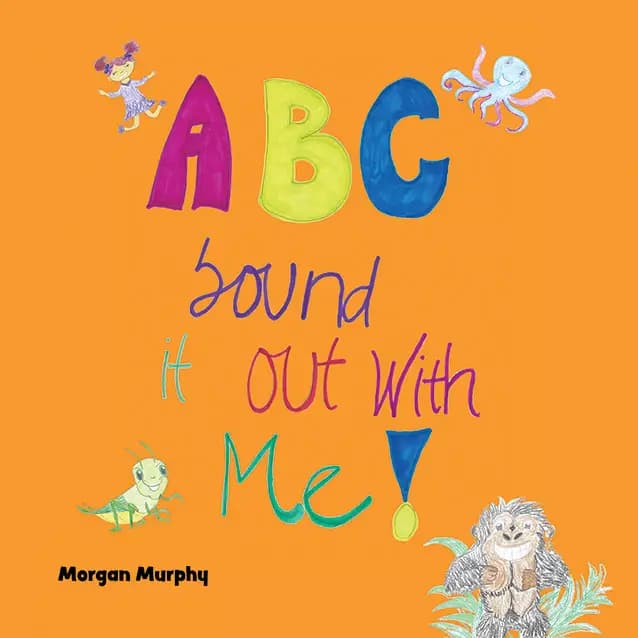
What is Phonics?
Phonics represents the fundamental relationship between letters and sounds in language. This systematic approach teaches children how individual letters or letter combinations create specific sounds, forming the building blocks of reading and writing. Children learn to decode words by recognizing these sound-symbol relationships, enabling them to read unfamiliar words independently.
The process involves teaching children to identify and manipulate phonemes, the smallest units of sound in spoken language. When children understand that letters represent these sounds, they develop a crucial skill called phonemic awareness. This awareness serves as a bridge between spoken and written language, making it easier for young learners to grasp reading concepts.
Why Phonics Books Are Essential for Kids
Phonics books play a pivotal role in developing strong reading foundations. These specialized resources provide structured practice in recognizing letter-sound relationships, helping children build confidence as they progress from simple to more complex words. The systematic approach ensures that children develop reading skills in a logical sequence, minimizing confusion and frustration.
Research shows that children who receive explicit phonics instruction typically become more proficient readers than those who don't. These books create a scaffold for learning, allowing children to practice newly acquired skills in a controlled environment while gradually introducing more challenging concepts.
Top Phonics Books for Kids
1. "Bob Books: Alphabet Series"
The Bob Books series stands out for its carefully crafted progression of reading skills. Each book in the series introduces new letters and sounds gradually, allowing children to experience success from the very beginning. The books feature consistent phonetic patterns, making it easier for young readers to predict and decode words.
What sets these books apart is their thoughtful design - short words, simple illustrations, and repetitive patterns help build reading confidence. The series begins with books containing just four letters, gradually expanding to include more complex phonetic patterns as children progress.
2. "Dr. Seuss's ABC"
Dr. Seuss's unique approach to phonics combines entertainment with education in a masterful way. The book's rhythmic text and memorable characters make learning letter sounds enjoyable while reinforcing phonemic awareness. The playful language and creative word combinations help children understand that reading can be both educational and entertaining.
Beyond the surface-level fun, this book cleverly incorporates advanced phonics concepts through alliteration and rhyme. Children naturally absorb these patterns while enjoying the story, making it an excellent tool for both structured learning and casual reading.
3. "LeapFrog Phonics: Alpha Pups"
LeapFrog's approach to phonics learning leverages modern technology to create an interactive reading experience. These books, developed by LeapFrog Enterprises, combine traditional reading materials with digital elements, creating a multi-sensory learning environment.
The Alpha Pups series introduces phonics concepts through engaging stories featuring lovable puppy characters. Each book includes interactive elements that allow children to hear sounds, practice pronunciation, and receive immediate feedback on their reading progress.
4. "Phonics for Kindergarten: Simple Sentences"
This comprehensive resource focuses on building reading confidence through carefully structured sentences. The book presents consonant-vowel-consonant (CVC) patterns in a systematic way, allowing children to practice basic phonics skills while reading complete thoughts.
The inclusion of picture support helps children connect written words with their meanings, while the progressive difficulty level ensures that learners stay challenged without becoming overwhelmed. The book also includes writing activities that reinforce phonics learning through active practice.
5. "The Cat in the Hat Phonics Readers"
These readers build upon the beloved Cat in the Hat character to create engaging phonics practice. Each book focuses on specific sound patterns while maintaining the whimsical style that makes Dr. Seuss books so appealing to young readers.
The series excels in presenting phonics concepts within the context of entertaining stories, helping children understand that reading is both educational and enjoyable. The familiar characters provide comfort while children tackle new reading challenges.
How to Choose the Right Phonics Book
Selecting appropriate phonics books requires careful consideration of several factors. First, assess your child's current reading level and phonics knowledge. Look for books that slightly challenge their abilities while remaining within their reach to maintain motivation and prevent frustration.
Consider the following criteria when selecting phonics books:
- Clear, consistent phonics patterns that match your child's learning stage
- High-quality illustrations that support text comprehension
- Appropriate text size and spacing for emerging readers
- Engaging content that maintains interest while teaching phonics concepts
- Opportunities for practice and review of learned skills
Incorporating Phonics Books into Daily Learning
Successful phonics instruction requires consistent practice and integration into daily routines. Create dedicated reading times when you can focus on phonics practice without distractions. Make these sessions interactive by discussing letter sounds, identifying patterns, and encouraging your child to make predictions about words.
Consider establishing a reading corner with easy access to phonics books and related materials. This designated space can help children associate reading with comfort and enjoyment, making them more likely to engage with books independently.
Making Learning Fun with Phonics Games and Activities
Transform phonics practice into engaging activities that reinforce learning through play. Simple games like letter sound matching, word building with magnetic letters, or phonics-based board games can make learning more enjoyable while reinforcing important skills.
Digital resources can complement traditional phonics books effectively. Educational apps and online games provide interactive experiences that maintain children's interest while supporting their learning journey. However, maintain a balance between digital and traditional learning methods to ensure comprehensive skill development.
Create hands-on activities that reinforce phonics concepts:
- Sound sorting games using picture cards
- Word family wheels for practicing rhyming patterns
Consider these additional hands-on activities:
- Letter sound scavenger hunts around the house
- Phonics-based memory matching games
- Create-your-own word books using simple drawings
Advanced Phonics Learning Strategies
As children progress in their phonics journey, introducing more complex strategies can help solidify their understanding. Advanced learners benefit from exploring word families, compound words, and more sophisticated phonemic patterns. These concepts build upon basic phonics skills while preparing children for more challenging reading material.
Consider implementing these advanced techniques:
- Word sorting activities based on spelling patterns
- Creating word chains where each word changes by one sound
- Exploring prefixes and suffixes through word building exercises
Supporting Struggling Readers
Some children may face challenges in their phonics learning journey. It's essential to recognize that every child learns at their own pace and may require different approaches to master phonics concepts. Creating a supportive environment that celebrates small victories can help maintain motivation and confidence.
Key strategies for supporting struggling readers include:
- Breaking lessons into smaller, manageable chunks
- Providing frequent opportunities for review and practice
- Using multi-sensory approaches to reinforce learning
- Celebrating progress and maintaining a positive attitude
Technology Integration in Phonics Learning
Modern technology offers numerous opportunities to enhance phonics instruction. Interactive apps and digital resources can provide immediate feedback and personalized learning experiences. These tools can complement traditional phonics books and activities, creating a well-rounded learning environment.
Effective ways to integrate technology include:
- Using educational apps that focus on specific phonics skills
- Recording reading sessions for self-assessment
- Exploring interactive e-books with built-in phonics support
Parent and Teacher Collaboration
Success in phonics learning often depends on strong collaboration between parents and teachers. Regular communication about a child's progress, challenges, and achievements helps ensure consistent support across different learning environments. Parents can reinforce school-based phonics instruction at home, while teachers can provide guidance on effective strategies and resources.
Essential aspects of effective collaboration include:
- Regular progress updates and communication
- Sharing successful strategies between home and school
- Coordinating reading materials and activities
- Setting realistic goals and celebrating achievements together
Assessment and Progress Monitoring
Regular assessment helps track children's phonics development and identify areas needing additional support. Informal assessments through daily reading activities can provide valuable insights into a child's progress. More formal assessments may be used to measure specific skills and guide instruction.
Consider tracking these key indicators:
- Letter-sound recognition accuracy
- Ability to blend sounds into words
- Reading fluency and comprehension
- Confidence levels during reading activities
Creating a Print-Rich Environment
Surrounding children with written language supports phonics learning naturally. A print-rich environment provides constant opportunities for children to practice their skills and make connections between written and spoken language. Labels, signs, and accessible reading materials throughout the learning space encourage spontaneous reading practice.
Ideas for creating a literacy-supportive environment:
- Label common objects and areas
- Display alphabet charts and sound walls
- Create word banks for frequently used terms
- Maintain an easily accessible library of phonics books
Building Long-Term Reading Success
Phonics instruction serves as a foundation for lifelong reading success. As children master basic phonics skills, they develop the confidence and ability to tackle more complex reading materials. This progression naturally leads to improved comprehension, vocabulary expansion, and enhanced critical thinking skills.
Key elements for sustained reading development include:
- Gradually introducing more challenging texts
- Encouraging independent reading choices
- Maintaining regular reading habits
- Connecting reading to real-world experiences
Cultural Considerations in Phonics Education
Effective phonics instruction should acknowledge and respect cultural and linguistic diversity. Children from different language backgrounds may encounter unique challenges when learning English phonics. Understanding these differences helps create more inclusive and effective learning experiences.
Important considerations include:
- Recognizing sound differences between languages
- Incorporating culturally relevant reading materials
- Adapting teaching strategies to support multilingual learners
- Celebrating linguistic diversity in the learning environment
The Role of Reading Fluency
While phonics forms the foundation of reading, developing fluency is equally important. Fluent readers can focus more on comprehension rather than decoding individual words. Regular practice with phonics books helps children transition from careful decoding to automatic word recognition.
Strategies to develop reading fluency include:
- Repeated readings of familiar texts
- Partner reading activities
- Timed reading exercises
- Recording and listening to reading sessions
Addressing Common Phonics Challenges
Even with well-structured instruction, children may encounter specific challenges in their phonics learning journey. Understanding common obstacles and having strategies to address them helps maintain steady progress. Regular monitoring and timely intervention can prevent minor difficulties from becoming major roadblocks.
Common challenges and solutions:
- Difficulty with specific sound combinations - Use targeted practice activities
- Inconsistent progress - Implement regular review sessions
- Loss of motivation - Introduce new and engaging learning materials
- Memory retention issues - Incorporate multi-sensory learning approaches
The Future of Phonics Education
As educational technology continues to evolve, the future of phonics instruction holds exciting possibilities. Artificial intelligence and adaptive learning platforms are creating more personalized learning experiences. These innovations complement traditional phonics books while offering new ways to engage young readers.
Emerging trends in phonics education include:
- Virtual reality reading experiences
- Adaptive learning software that adjusts to individual needs
- Interactive digital books with embedded assessment tools
- Mobile apps that connect home and school learning
Supporting Materials and Resources
Beyond phonics books, various supplementary materials can enhance the learning experience. These resources provide additional practice opportunities and help maintain engagement in phonics learning. Creating a diverse collection of materials supports different learning styles and preferences.
Valuable supplementary resources include:
- Phonics worksheets and activity books
- Educational videos and songs
- Manipulative materials for hands-on learning
- Online learning platforms and educational websites
Creating Success Metrics
Establishing clear success metrics helps track progress and maintain motivation in phonics learning. These benchmarks should be realistic and achievable while challenging enough to promote growth. Regular assessment against these metrics provides valuable feedback for adjusting instruction and celebrating achievements.
Key success indicators to monitor:
- Word recognition speed and accuracy
- Comprehension of phonics rules
- Application of skills in independent reading
- Overall reading confidence and enjoyment
Building a Community of Readers
Creating a supportive reading community extends beyond individual instruction. Parent groups, reading clubs, and community programs can provide additional support and motivation for young readers. These connections help children see reading as a shared social activity rather than just an academic task.
Community building strategies include:
- Organizing reading buddy programs
- Creating parent support networks
- Hosting phonics workshops and literacy events
- Establishing book exchange programs
The journey to reading proficiency through phonics is both challenging and rewarding. By selecting appropriate phonics books, implementing effective teaching strategies, and maintaining a supportive learning environment, we can help children develop strong reading foundations that will serve them throughout their lives. The key is to remember that every child's learning journey is unique and deserves personalized attention and support.
At Bright Happy Books, we're committed to supporting this journey by providing high-quality phonics resources and guidance for parents and educators. Our mission is to make reading education accessible, enjoyable, and effective for every child. Through carefully curated materials and expert advice, we help create confident, capable readers who develop a lifelong love of learning.
References
- LeapFrog Enterprises - Wikipedia
- Commonwealth to lift public school funding to 25 per cent - ABC News
- Viral Sensation "Ms. Rachel" Is Coming to Netflix - The Futon Critic
- National Reading Panel. (2000). Teaching Children to Read: An Evidence-Based Assessment of the Scientific Research Literature on Reading and Its Implications for Reading Instruction.
- International Literacy Association. (2019). Teaching Reading: Effective Approaches to Early Literacy Instruction.
.blog-post { max-width: 800px; margin: 0 auto; padding: 20px; font-family: 'Roboto', sans-serif; line-height: 1.6; color: #333; } .blog-post h2, .blog-post h3 { color: #007bff; } .blog-post a { color: #007bff; text-decoration: none; } .blog-post a:hover { text-decoration: underline; } @media (max-width: 768px) { .blog-post { padding: 10px; } }