Why Don’t We Teach Young Children About Mental Health? Here’s Why It Matters
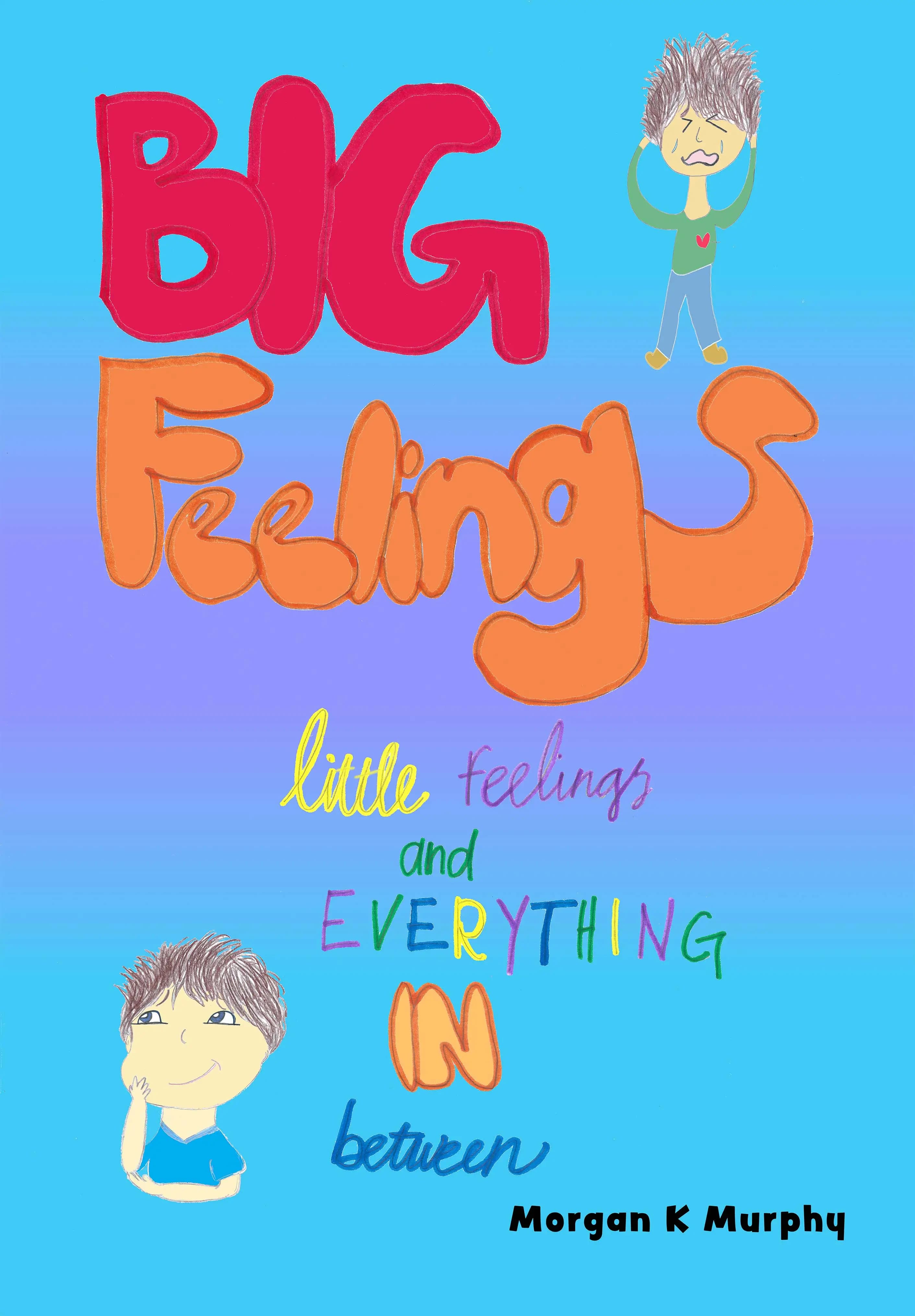
The Critical Nature of Early Mental Health Education
The landscape of childhood education is evolving rapidly, yet one crucial element remains largely overlooked: mental health education for young children. Current educational systems primarily focus on academic achievements, leaving a significant gap in emotional and psychological development. Research indicates that children who receive early mental health education demonstrate increased resilience, better social adjustment, and improved academic performance throughout their lives.
Understanding the Importance of Early Mental Health Education
Early mental health education serves as a fundamental building block for lifelong psychological well-being. Recent studies highlighted by the BBC demonstrate that children who receive early emotional education develop stronger coping mechanisms and display enhanced social awareness.
Key Benefits of Early Intervention:
- Development of emotional vocabulary and expression skills
- Enhanced ability to recognize and manage emotions
- Improved interpersonal relationships with peers and adults
- Reduced risk of developing mental health issues later in life
- Greater academic success through better emotional regulation
Current Challenges in Mental Health Education
Despite growing awareness, numerous obstacles prevent the widespread implementation of mental health education in early childhood settings. Educational institutions often face resource constraints, lack of trained personnel, and competing academic priorities.
Primary Barriers:
- Limited funding for mental health programs
- Insufficient training for educators in mental health topics
- Resistance from traditional educational frameworks
- Misconceptions about children's capacity to understand mental health concepts
- Cultural stigma surrounding mental health discussions
Implementing Effective Mental Health Education
Successful integration of mental health education requires a comprehensive approach that considers age-appropriate methods and diverse learning styles. Educational programs should incorporate interactive activities, storytelling, and practical exercises that make complex emotional concepts accessible to young minds.
Essential Components of Mental Health Education:
- Age-appropriate emotional vocabulary building
- Mindfulness and relaxation techniques
- Social skills development through guided play
- Recognition and expression of feelings
- Basic stress management strategies
Global Perspectives on Mental Health Education
Different countries approach mental health education with varying degrees of emphasis and methodology. Some nations have already implemented comprehensive programs that demonstrate promising results in improving children's emotional well-being.
International Best Practices:
- Finland's integration of emotional learning into core curriculum
- Singapore's holistic approach to mental wellness
- Australia's national framework for mental health education
- Canada's school-based mental health initiatives
- UK's emotional literacy support programs
Technology and Innovation in Mental Health Education
Modern technological tools offer new opportunities for delivering mental health education to young children. Interactive apps, digital storytelling, and virtual learning environments provide engaging ways to teach emotional awareness and coping strategies.
Innovative Teaching Methods:
- Educational games focusing on emotional intelligence
- Virtual reality experiences for social skills practice
- Mobile apps designed for mindfulness and relaxation
- Interactive digital stories addressing mental health themes
- Online platforms for parent-teacher collaboration
Measuring Success and Impact
Evaluating the effectiveness of mental health education programs requires both quantitative and qualitative assessment methods. Regular monitoring and adjustment of teaching strategies ensure optimal outcomes for children's emotional development.
Key Performance Indicators:
- Improvements in emotional vocabulary and expression
- Reduced instances of behavioral issues
- Enhanced classroom participation and engagement
- Positive feedback from parents and teachers
- Long-term tracking of mental health outcomes
Building Support Systems
Successful mental health education requires strong support networks involving educators, parents, mental health professionals, and community resources. Collaboration between these stakeholders ensures consistent messaging and comprehensive support for children's emotional development.
Essential Support Components:
- Regular parent-teacher communication channels
- Professional development opportunities for educators
- Community mental health partnerships
- Access to mental health resources and referrals
- Ongoing program evaluation and adjustment
Future Directions and Opportunities
The field of early childhood mental health education continues to evolve, with new research and methodologies emerging regularly. Future developments may include more sophisticated assessment tools, improved integration with academic subjects, and expanded use of technology-based interventions.
Emerging Trends:
- Artificial intelligence applications in emotional learning
- Personalized mental health education programs
- Enhanced data analytics for tracking progress
- Integration of neuroscience findings
- Cross-cultural adaptation of successful programs
Addressing Cultural Sensitivity in Mental Health Education
Implementing mental health education requires careful consideration of diverse cultural perspectives and beliefs. Different communities may have varying approaches to discussing mental health, and educational programs must be adaptable to these cultural nuances.
Cultural Considerations:
- Recognition of cultural beliefs about mental health
- Adaptation of teaching materials for different cultural contexts
- Inclusion of culturally relevant examples and scenarios
- Engagement with community cultural leaders
- Multilingual resource development
The Role of Play in Mental Health Education
Play-based learning serves as a powerful tool for teaching mental health concepts to young children. Through structured and unstructured play activities, children naturally develop emotional awareness and social skills.
Effective Play-Based Strategies:
- Role-playing exercises for emotional expression
- Cooperative games that build social skills
- Art therapy activities for emotional processing
- Movement-based exercises for stress relief
- Storytelling sessions focusing on emotional themes
Teacher Training and Professional Development
Educators require specialized training to effectively deliver mental health education. Professional development programs should focus on both theoretical understanding and practical implementation strategies.
Essential Training Components:
- Understanding child psychological development
- Recognition of early warning signs
- Classroom management techniques for emotional situations
- Crisis intervention strategies
- Communication skills for working with parents
Parent Engagement and Home Support
The success of mental health education programs largely depends on consistent reinforcement at home. Parents need resources and guidance to support their children's emotional development effectively.
Parent Support Strategies:
- Regular workshops and information sessions
- Take-home activities and resources
- Online parent communities and forums
- Regular progress updates and communication
- Access to professional consultation when needed
Policy Implications and Advocacy
Systemic change requires strong policy support and advocacy efforts. Educational institutions and stakeholders must work together to promote the importance of early mental health education.
Key Policy Areas:
- Curriculum standards for mental health education
- Funding allocation for mental health programs
- Teacher certification requirements
- School mental health service requirements
- Data collection and program evaluation standards
Research and Evidence-Based Practices
Continuous research efforts help identify and refine effective approaches to mental health education. Evidence-based practices ensure that educational programs deliver measurable positive outcomes.
Research Focus Areas:
- Long-term impact studies
- Comparative analysis of different teaching methods
- Cultural adaptation effectiveness
- Technology integration outcomes
- Cost-benefit analysis of early intervention
Building Resilient Communities
Mental health education extends beyond individual well-being to foster stronger, more resilient communities. When children develop strong emotional skills early, they contribute to creating more supportive and understanding social environments.
Community Impact Areas:
- Reduced stigma around mental health
- Increased community support networks
- Enhanced social cohesion
- Improved intergenerational understanding
- Greater collective emotional intelligence
Integration with Physical Health Education
Mental health education should not exist in isolation but rather be integrated with physical health education to promote a holistic understanding of well-being. This connection helps children understand the mind-body relationship and its impact on overall health.
Key Integration Points:
- Understanding the connection between physical and mental health
- Exercise and its impact on mood regulation
- Sleep hygiene and emotional well-being
- Nutrition's role in mental health
- Body awareness and emotional regulation
Digital Safety and Mental Health
In today's digital age, mental health education must address the psychological impacts of technology use and online interactions. Children need guidance on maintaining mental well-being in digital spaces.
Digital Wellness Components:
- Healthy screen time management
- Online relationship navigation
- Digital citizenship education
- Cyberbullying prevention strategies
- Social media impact awareness
Special Considerations for Different Age Groups
Mental health education must be tailored to different developmental stages, with content and delivery methods adapted to match children's cognitive and emotional capabilities at various ages.
Age-Specific Approaches:
- Preschool (3-5 years): Basic emotion recognition and expression
- Early Elementary (6-8 years): Friendship skills and self-regulation
- Late Elementary (9-11 years): Complex emotions and peer relationships
- Middle School Transition: Identity development and stress management
- Developmental milestone considerations
Assessment and Progress Monitoring
Effective mental health education requires robust assessment methods to track progress and identify areas needing additional support. These assessments should be ongoing and multifaceted.
Assessment Strategies:
- Regular emotional check-ins
- Behavioral observation protocols
- Parent and teacher feedback systems
- Age-appropriate self-assessment tools
- Progress documentation methods
Crisis Prevention and Response
Mental health education programs must include protocols for identifying and responding to emotional crises. Early intervention can prevent escalation and ensure appropriate support is provided when needed.
Crisis Management Components:
- Early warning sign recognition
- Clear response protocols
- Emergency contact procedures
- Support service coordination
- Post-crisis follow-up systems
Sustainable Program Implementation
Long-term success requires sustainable implementation strategies that consider resource allocation, staff retention, and program evolution over time.
Sustainability Factors:
- Secure funding mechanisms
- Staff training continuity
- Resource management systems
- Program adaptation processes
- Community partnership maintenance
Measuring Long-term Impact
Understanding the long-term effects of early mental health education requires comprehensive tracking and evaluation systems that follow children's development over time.
Impact Assessment Areas:
- Academic performance correlation
- Social relationship development
- Mental health outcome tracking
- Life skill application
- Community engagement levels
The Role of Creative Arts in Mental Health Education
Creative arts provide powerful tools for expressing and processing emotions in early mental health education. Through various artistic mediums, children can explore complex feelings and develop emotional awareness in safe, engaging ways.
Creative Expression Methods:
- Music therapy activities for emotional regulation
- Drama exercises for perspective-taking
- Visual art projects for feeling expression
- Dance and movement for emotional release
- Creative writing for emotional processing
Building Cross-Cultural Competence
Mental health education must embrace diverse perspectives and experiences to be truly effective. Programs should actively incorporate cross-cultural understanding and sensitivity.
Cultural Integration Strategies:
- Multicultural resource development
- Diverse representation in teaching materials
- Cultural celebration integration
- Language-inclusive approaches
- Traditional healing practice recognition
Environmental Influences on Mental Health
Understanding how environmental factors affect mental well-being helps children develop awareness of external influences on their emotional state. This knowledge empowers them to create and seek out supportive environments.
Environmental Considerations:
- Classroom atmosphere optimization
- Natural environment exposure
- Noise level awareness
- Personal space understanding
- Sensory input management
Peer Support and Mentoring
Implementing peer support systems can enhance mental health education by creating opportunities for children to learn from and support one another. These relationships foster empathy and social responsibility.
Peer Program Elements:
- Buddy system implementation
- Peer mediation training
- Group support activities
- Cross-age mentoring programs
- Collaborative problem-solving exercises
Family Systems Approach
Recognizing that children's mental health is deeply connected to family dynamics, education programs must consider and involve the entire family system in the learning process.
Family Engagement Strategies:
- Family therapy integration
- Parent-child activity programs
- Family education workshops
- Home-based practice support
- Extended family involvement opportunities
Neurodiversity and Inclusion
Mental health education must acknowledge and accommodate neurodiversity, ensuring that programs are accessible and beneficial for children with different neurological profiles.
Inclusive Practices:
- Sensory-sensitive adaptations
- Alternative communication methods
- Flexible learning approaches
- Individual accommodation plans
- Strength-based teaching strategies
Tech-Enhanced Learning Solutions
Leveraging technology can enhance mental health education through interactive and engaging digital tools that complement traditional teaching methods.
Digital Innovation Areas:
- Virtual reality emotional scenarios
- Biofeedback learning tools
- Mental health tracking apps
- Interactive learning platforms
- Digital storytelling resources
Professional Development and Specialization
The evolution of mental health education requires ongoing professional development and specialization opportunities for educators. This ensures the delivery of high-quality, evidence-based mental health education.
Professional Growth Areas:
- Advanced certification programs
- Specialized mental health training
- Research participation opportunities
- Mentorship program development
- Leadership skill enhancement
Community Resource Integration
Successful mental health education programs leverage community resources effectively, creating a network of support for children's emotional well-being.
Community Partnership Elements:
- Local mental health provider collaboration
- Youth organization partnerships
- Public health department coordination
- Social service agency integration
- Community event participation
Quality Assurance and Program Evaluation
Regular evaluation and quality assurance measures ensure that mental health education programs maintain high standards and achieve desired outcomes.
Evaluation Components:
- Regular program assessments
- Outcome measurement tools
- Stakeholder feedback systems
- Implementation fidelity checks
- Continuous improvement protocols
Mental health education in early childhood represents a crucial investment in our society's future well-being. At Bright Happy Books, we understand the vital importance of nurturing emotional intelligence and mental wellness from an early age. Our mission aligns perfectly with this goal, as we strive to create resources that make mental health education accessible, engaging, and effective for young children. Through our carefully crafted materials and comprehensive approach, we're committed to supporting educators, parents, and communities in building a foundation for lifelong mental wellness. Together, we can create a future where mental health education is as fundamental as reading and writing, ensuring that every child has the tools they need to thrive emotionally and psychologically.
As we continue to advance in our understanding of child development and mental health, the importance of early intervention and education becomes increasingly clear. By implementing comprehensive mental health education programs in early childhood settings, we're not just helping individual children – we're fostering the development of a more emotionally intelligent, empathetic, and resilient society. Bright Happy Books remains dedicated to being at the forefront of this crucial educational evolution, providing the tools and resources needed to make mental health education an integral part of every child's early learning experience.
.blog-post { max-width: 800px; margin: 0 auto; padding: 20px; font-family: 'Roboto', sans-serif; line-height: 1.6; color: #333; } .blog-post h2, .blog-post h3 { color: #007bff; } .blog-post a { color: #007bff; text-decoration: none; } .blog-post a:hover { text-decoration: underline; } @media (max-width: 768px) { .blog-post { padding: 10px; } }